

How often do you get stopped by your fears? How often do you reject some opportunities because you are scared to embrace something new and to change your life? Are you familiar with this feeling inside of your chest, that doesn’t allow you to breathe, your heart racing, and your hands trembling? Then this story is for you.

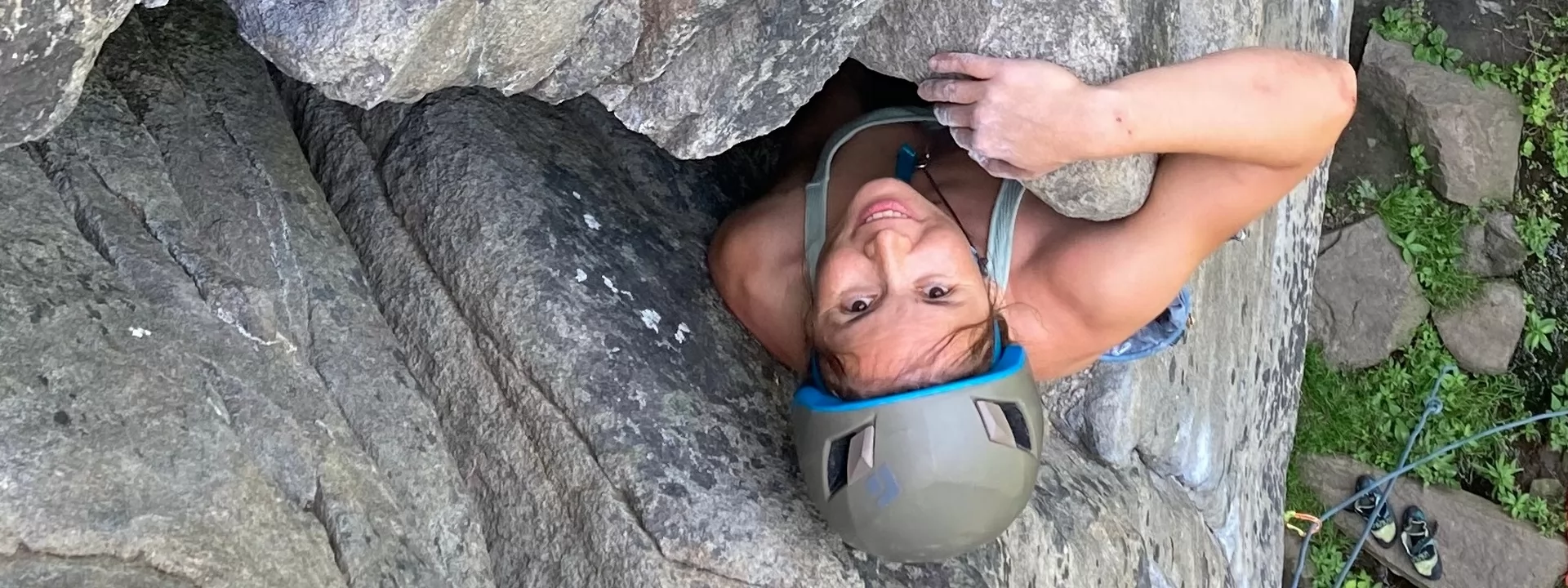
I went a very long way, full of peaks and dips in my relationship with fear, starting from being a very shy primary school student to a secondary school student feeling very comfortable creating, directing, and acting in school plays. From a confident public speaker at University to a very shy and closed mom during maternity leave, who was terrified of phone calls. From an always-intimidated software engineer to a leader of a software development team and a rock climber, who finally knows how to work with fear and manage it. Such a roller coaster!
But it helped me to realize some very important highlights I want to share.
But it helped me to realize some very important highlights I want to share.

It’s normal to be afraid. It’s natural. It’s the way our body tries to save us from trouble. If you have never experienced fear, you probably need to visit a doctor. Joking. But seriously. Allow yourself to feel scared. To work with a problem, you need to be conscious of it and to accept yourself being afraid.
You most definitely won’t be able to overcome your fear completely. This is a sad truth that you need to embrace. You can learn your fear and learn to control it, you can make your body and mind comfortable in a scary situation, but this works as long as you are constantly in contact with this situation. Think of it as a muscle that needs persistent training to stay fit or as a neural connection of your brain, which gets weaker if you stop using it. Once you stop facing your fear, it’ll slowly but inevitably gain back control over you. I experience this in rock climbing.
The more I climb, the less I’m afraid. But the longer the break, the bigger my fear. Even in one training session, the first route is about getting comfortable with height, about once again regaining trust in the belay, and in my climbing skills.
Face your fear as often as possible. A very easy recipe, consisting of only one ingredient, which sometimes is so hard to follow, isn’t it? But just face it. I know it’s uncomfortable and unnatural for our bodies. It needs effort. It needs a conscious choice. But if you start slowly, in tiny steps, and are persistent, you’ll see what happens. Just one step at a time, don’t think further than this.
Let’s get back to my fear of phone calls. Imagine a grown-up woman, mother of two kids, who is avoiding phone calls by any means, sweating over the thought of dialing some stranger’s number, rehearsing all that she needs to talk about to not say something silly and to not make some mistake. Pathetic picture. When I realized the problem, I started to make phone calls as often as possible, and now it’s a big question for me — what was I afraid of?!
Just do it. Don’t think too much about how exactly you’ll be doing what you are afraid to do. Just do. Quickly. Don’t hesitate. Step off the cliff. Turn off your mind and just trust.
Think about the worst thing that can happen. In some cases, it is something you really need to take into account. But in most cases? Seriously? Is it worth all these emotions?
Learn to catch the very moment when you start feeling scared. You know the symptoms, right? Learn your body, learn to understand primary signals.
Breathe. Breathe. Breathe. Take a deep breath once you realize you are panicking. Don’t forget that your mind and body are deeply connected. Slow deep breathing not only relaxes excess tension in your muscles, but also helps you to shift the focus of your mind. When I get stuck on the climb, when I feel blocked, my hands get pumped and I start panicking that I’ll fall, I take several very deep breaths and try to sing something in my mind. In most cases, this helps me to change perspective and find a solution. But if not — well, one more chance to face my fear of falling — I fall and once again learn to trust my belay.
You are absolutely capable of controlling your fears through adaptation to them. It’s how your body works. Just trust it.
You most definitely won’t be able to overcome your fear completely. This is a sad truth that you need to embrace. You can learn your fear and learn to control it, you can make your body and mind comfortable in a scary situation, but this works as long as you are constantly in contact with this situation. Think of it as a muscle that needs persistent training to stay fit or as a neural connection of your brain, which gets weaker if you stop using it. Once you stop facing your fear, it’ll slowly but inevitably gain back control over you. I experience this in rock climbing.
The more I climb, the less I’m afraid. But the longer the break, the bigger my fear. Even in one training session, the first route is about getting comfortable with height, about once again regaining trust in the belay, and in my climbing skills.
Face your fear as often as possible. A very easy recipe, consisting of only one ingredient, which sometimes is so hard to follow, isn’t it? But just face it. I know it’s uncomfortable and unnatural for our bodies. It needs effort. It needs a conscious choice. But if you start slowly, in tiny steps, and are persistent, you’ll see what happens. Just one step at a time, don’t think further than this.
Let’s get back to my fear of phone calls. Imagine a grown-up woman, mother of two kids, who is avoiding phone calls by any means, sweating over the thought of dialing some stranger’s number, rehearsing all that she needs to talk about to not say something silly and to not make some mistake. Pathetic picture. When I realized the problem, I started to make phone calls as often as possible, and now it’s a big question for me — what was I afraid of?!
Just do it. Don’t think too much about how exactly you’ll be doing what you are afraid to do. Just do. Quickly. Don’t hesitate. Step off the cliff. Turn off your mind and just trust.
Think about the worst thing that can happen. In some cases, it is something you really need to take into account. But in most cases? Seriously? Is it worth all these emotions?
Learn to catch the very moment when you start feeling scared. You know the symptoms, right? Learn your body, learn to understand primary signals.
Breathe. Breathe. Breathe. Take a deep breath once you realize you are panicking. Don’t forget that your mind and body are deeply connected. Slow deep breathing not only relaxes excess tension in your muscles, but also helps you to shift the focus of your mind. When I get stuck on the climb, when I feel blocked, my hands get pumped and I start panicking that I’ll fall, I take several very deep breaths and try to sing something in my mind. In most cases, this helps me to change perspective and find a solution. But if not — well, one more chance to face my fear of falling — I fall and once again learn to trust my belay.
You are absolutely capable of controlling your fears through adaptation to them. It’s how your body works. Just trust it.
Author: Tetiana Khytrova,
amateur rock climber of the "Montana" climbing wall community


